BNPL Debt on Credit Reports: Why It’s Now a Credit Risk
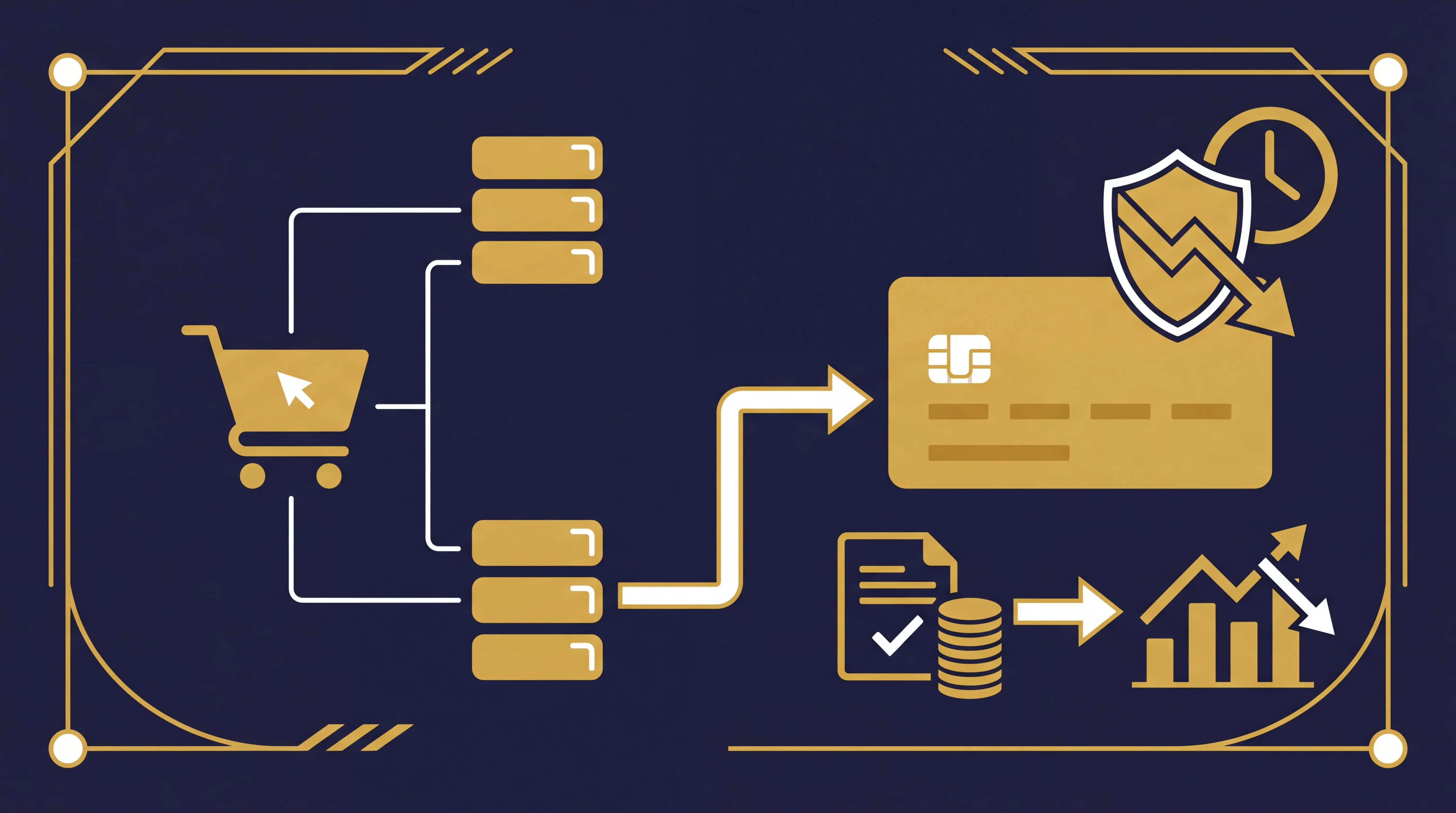
BNPL Debt Is Now on Your Credit Report: Why "Buy Now, Pay Later" Just Became a Credit Risk
You've seen the buttons everywhere. You add a winter coat, a new laptop, or even your weekly groceries to your online cart. Right below the total, a friendly prompt offers you a choice to "Pay in 4 interest-free payments."
Buy Now, Pay Later (BNPL) — a short-term financing option that lets consumers split purchases into smaller, interest-free installments — is now officially being reported to major credit bureaus. This means your BNPL debt directly impacts your credit score, turning a simple checkout convenience into a real credit risk.
It used to feel like a simple convenience. It felt entirely separate from the heavy, stressful world of traditional debt.
For years, BNPL operated in the shadows of the financial system. You could finance purchases through apps like Klarna, Affirm, or Afterpay, and the major credit bureaus would never know. Financial analysts called this "phantom debt." It was legally binding, but it was completely invisible to Experian, Equifax, and TransUnion.
That era officially ended in the fall of 2025.
FICO introduced two new scoring models designed to capture this specific data. They are called the FICO Score 10 BNPL and FICO Score 10T BNPL. For the first time, your short-term installment purchases are added to your permanent credit record. What used to be a private arrangement between you and a shopping app is now visible to lenders, landlords, and anyone else who checks your credit.
The Massive Scale of BNPL Debt
BNPL is no longer a niche payment method; it is a mainstream financial tool heavily used by vulnerable borrowers. To understand why this reporting change matters, you have to look at how completely these apps have taken over our checkout screens.
BNPL transaction volume reached about $70 billion in 2025. According to a J.D. Power survey (2024), 37% of U.S. consumers used a BNPL service within a 90-day window last year. An estimated 90 million Americans are actively using these platforms to finance everything from clothing to medical bills.
It's mostly popular with younger buyers. According to the Federal Reserve's Survey of Household Economics and Decisionmaking (2024), 19% of adults aged 18 to 29 use BNPL, compared to just 8% of people over 60.
For many people, these apps provided a necessary lifeline when traditional banks said no. According to the Consumer Financial Protection Bureau (2024), 61% of BNPL borrowing came from consumers with subprime or deep subprime credit scores. If you had a limited credit history as a new borrower, BNPL was one of the few ways to finance a purchase without paying predatory interest rates.
But that accessibility came with a hidden cost that is only now coming to light.
The bottom line: The massive adoption of "Pay in 4" apps means millions of Americans now have a new, highly active debt category appearing on their credit files.
The Trap of Multiple Simultaneous BNPL Loans
The biggest risk with BNPL debt is loan stacking, which occurs when borrowers take out multiple simultaneous loans across different apps. When debt is invisible, it's easy to pretend it doesn't exist.
Loan stacking — the practice of taking out multiple simultaneous loans across different platforms — makes it easy to accumulate unmanageable debt. According to the CFPB (2022), about 63% of BNPL borrowers took out multiple simultaneous loans. According to a LendingTree survey (2025), 60% of users have held multiple loans at the same time. Nearly a quarter of users have juggled three or more at once.
Imagine you buy a $100 pair of shoes using Klarna. A few days later, you use Affirm for a $150 jacket. The next week, you use Afterpay for $200 worth of skincare products.
Individually, a $25 or $50 payment every two weeks might feel manageable. But when you stack them together, your monthly obligations suddenly rival a massive car payment. Because these loans were previously unreported, people applying for a car loan or an apartment lease could easily hide their actual monthly debt.
Here's what this means: Small, individual installment payments can quickly stack up into a massive monthly debt obligation that lenders can now see.
How BNPL Debt Affects Your Credit Score
BNPL debt affects your credit score by adding your short-term installment payment history to your permanent credit file, which can either build or damage your credit depending on your reliability.
FICO ran simulations on their new models. They found that most users will see their score change by about 10 points in either direction. The direction your score moves depends entirely on your payment history.
If you have a thin credit file and you make all your payments on time, this new reporting can actually help you. It proves to lenders that you borrow money and pay it back responsibly. Affirm even participated in a joint study with FICO. This study showed that including BNPL data improved credit risk accuracy and boosted scores for some consumers.
The Impact of Late Payments
But if you miss payments, the damage is real. According to a LendingTree survey (2025), 41% of BNPL users reported making at least one late payment in the past year. Interestingly, 76% of those late payments were resolved within a week. Many users simply forgot to transfer money to the checking account linked to their auto-pay.
Regardless of the reason, a late payment reported to the bureaus can drag down your score fast. If you're trying to improve your credit score through consistent payments, a forgotten $15 installment payment is the last thing you want on your record.
The bottom line: On-time BNPL payments can help build a thin credit file, but a single missed installment can quickly drag down your credit score.
The Psychology Behind Buy Now, Pay Later Spending
BNPL platforms increase consumer spending by separating the act of buying from the pain of paying. There's a reason these apps are built directly into the checkout pages of your favorite online stores.
Research by Prelec and Loewenstein shows that when you separate the act of buying from the act of paying, you're much more likely to overspend. A $200 purchase triggers a certain amount of hesitation. But four payments of $50? That feels like a minor inconvenience.
Stores know exactly how this psychology works. According to retail industry research (2024), offering BNPL can increase a retailer's average order value by 20 to 40%. It also reduces cart abandonment by up to 30%. You're spending more money, more often, simply because the math feels smaller in the moment.
This psychological trick pushes people to finance things they otherwise couldn't afford. According to the Federal Reserve survey (2024), 58% of respondents said using BNPL was the only way they could afford the purchase.
Here's what this means: The psychological trick of splitting payments pushes consumers to finance purchases they otherwise could not afford.
Using BNPL Apps to Finance Everyday Essentials
The most worrying trend in the BNPL industry is the shift from financing luxury purchases to funding everyday survival essentials like groceries. BNPL started as a way to buy clothes, electronics, and concert tickets. Now, it's paying for food.
The Shift to Grocery Financing
According to LendingTree (2025), 25% of BNPL users have used the service to buy groceries. This is up from 14% the previous year. Among Gen Z users, that number jumps to 33%.
When you have to finance your weekly food run in four installments, you're not using a convenient payment tool. You're relying on an emergency line of credit just to get by. According to research from the JPMorgan Chase Institute (2024), homeowners are much more likely to use BNPL when their finances get tight. If a borrower's credit card utilization spikes, their odds of using BNPL jump by 7 to 8%. It acts as a pressure valve for households trying to manage cash flow gaps, especially after events like a job loss.
The bottom line: Relying on BNPL for groceries is a warning sign that households are using short-term debt as an emergency line of credit.
The Hidden Link Between BNPL and Credit Card Debt
Data shows that BNPL is rarely a substitute for credit cards; instead, it acts as a supplement for consumers whose traditional credit limits are already exhausted. You might think people use Buy Now, Pay Later to avoid credit card debt, but the reality is completely different.
According to the CFPB (2024), a BNPL user has an average of $871 more in credit card debt and $5,734 more in student loan debt compared to someone who doesn't use the apps.
Their credit cards are also maxed out more often. The median credit card utilization rate for a BNPL user sits between 60 and 66%. For non-users, it's only 34%.
This proves that BNPL acts as a supplement. People use it when their traditional credit limits are already exhausted. If you're trying to pay off debt starting from zero, adding four new installment plans to your monthly budget will only pull you deeper into the hole.
Here's what this means: BNPL users typically carry significantly more unsecured debt and have higher credit card utilization rates than non-users.
How BNPL Debt Impacts Your Mortgage Approval
Because BNPL debt is now formally reported to credit bureaus, it directly increases your debt-to-income ratio and can lower the mortgage amount you qualify for. If you plan to buy a house anytime soon, this new credit reporting changes the math on your mortgage approval.
Debt-to-income (DTI) ratio — the percentage of your monthly gross income that goes toward paying debts — is a critical metric mortgage lenders use to determine your borrowing capacity. In the past, BNPL loans were invisible to mortgage underwriters unless they manually spotted the payments on your bank statements.
The issue became incredibly prominent. In June 2025, the Department of Housing and Urban Development issued a formal request for information. They needed to figure out how this hidden debt was impacting housing affordability.
Now that the debt is formally reported, a lender will see those active "Pay in 4" loans. This increases your official debt load. A higher DTI directly lowers the amount of money you can borrow for a mortgage. A few stacked installment loans could be the difference between getting approved for your dream home or being told you need a larger down payment.
The bottom line: Active "Pay in 4" loans now increase your official debt load, which could be the difference between getting approved for a mortgage or being denied.
The Current State of BNPL Regulation
The BNPL industry remains inconsistently regulated, leaving consumers to navigate a patchwork of state laws and varying credit reporting practices. The government has struggled to keep up with how fast this industry moves.
The CFPB tried to classify BNPL accounts as credit cards in 2024. This would force the companies to follow the Truth in Lending Act. They were quickly sued by industry groups and eventually withdrew the rule in early 2025.
Because federal regulation stalled, state regulators are stepping in. New York passed new laws that take effect in 2026. The new rules cap late fees, require clear disclosures, and mandate strict data privacy protections.
But until these rules become standard nationwide, the system is a bit of a mess. Some apps report to the bureaus automatically. Some only report if you ask them to. Some actively refuse to report, arguing that traditional credit models penalize their users unfairly. This inconsistency means you're largely on your own to read the fine print and understand how your specific app handles your data.
Here's what this means: Until federal regulations become standard, you must read the fine print to understand how each specific BNPL app handles your data and late fees.
How to Protect Your Credit Score from BNPL Risks
To protect your credit score in this new financial reality, you must treat every Buy Now, Pay Later button exactly like a formal credit card application. So, how do you handle this checkout screen shift?
First, stop stacking loans. Limit yourself to one active installment plan at a time. If you can't pay off the current one, you can't afford to start a new one. Keeping your active loans to a minimum protects your monthly cash flow and keeps your debt-to-income ratio healthy.
Second, build up your cash reserves so you don't have to rely on these apps for essentials like groceries or utility bills. Having cash in the bank is the ultimate defense against high-interest debt, late fees, and financial stress. Even a small buffer gives you breathing room. Focus on building a basic emergency fund to cover unexpected expenses before you finance another online purchase.
Finally, set up reliable auto-pay from an account that actually has money in it. Since 76% of late payments are resolved within a week, it's clear that people have the money but lack the organization. Set calendar reminders for your payment dates so an accidental overdraft doesn't tank your newly updated credit score.
The bottom line: Stop stacking loans, build cash reserves, and set up reliable auto-pay to shield your credit score from accidental missed payments.
Common Questions
What happens if you don't pay Buy Now, Pay Later?
If you miss a Buy Now, Pay Later payment, the provider may charge late fees and report the delinquency to major credit bureaus. This negative mark can significantly lower your credit score and remain on your credit report for up to seven years. To avoid this, always ensure your linked checking account has sufficient funds before the auto-pay date.
Does Klarna or Afterpay build credit?
Yes, Klarna, Afterpay, and similar apps can now help build your credit if they report your on-time payments to the credit bureaus. FICO's new scoring models include BNPL data, meaning consistent, responsible use can positively impact a thin credit file. However, this also means missed payments will damage your score just as easily.
Why is BNPL considered a credit risk?
BNPL is considered a credit risk because it encourages loan stacking and makes it easy to accumulate hidden debt. Because payments are split into smaller chunks, consumers often finance purchases they cannot afford, leading to high debt-to-income ratios. Now that this debt is reported to credit bureaus, it directly impacts your ability to secure other loans, like mortgages or car financing.
Your One Next Step
Pull your free credit report this week at AnnualCreditReport.com and look closely at your open accounts. Different BNPL providers are rolling out their reporting at different speeds. Because of this, you need to verify exactly which of your apps are sharing your payment history with the major credit bureaus.
Your Money. Your Terms.
Listen to this article
Get smarter about money
One practical tip per week. No spam, no hype — just clear steps toward financial progress.

Sammy Dynamo
Software Engineer | CS Student | Technopreneur, Dyxium Inc
Related Articles
13 min read
Debt & CreditCan’t Pay Credit Card Minimums? What to Do Now
If you can’t pay credit card minimums, you are not alone. Over 10% of accounts are...
Sammy Dynamo
11 min read
Debt & CreditHELOCs in 2026: Tap Home Equity for Debt or Big Goals?
With average HELOC rates near 7.4% in 2026, tapping home equity to pay off debt or...
Sammy Dynamo
12 min read
Debt & CreditConsolidate Credit Card Debt in 2026: Save Your Score
Learn how to consolidate credit card debt in 2026 without tanking your credit score. Ready to...
Sammy Dynamo