Credit Card Arbitrage: The Legal Strategy for Professionals
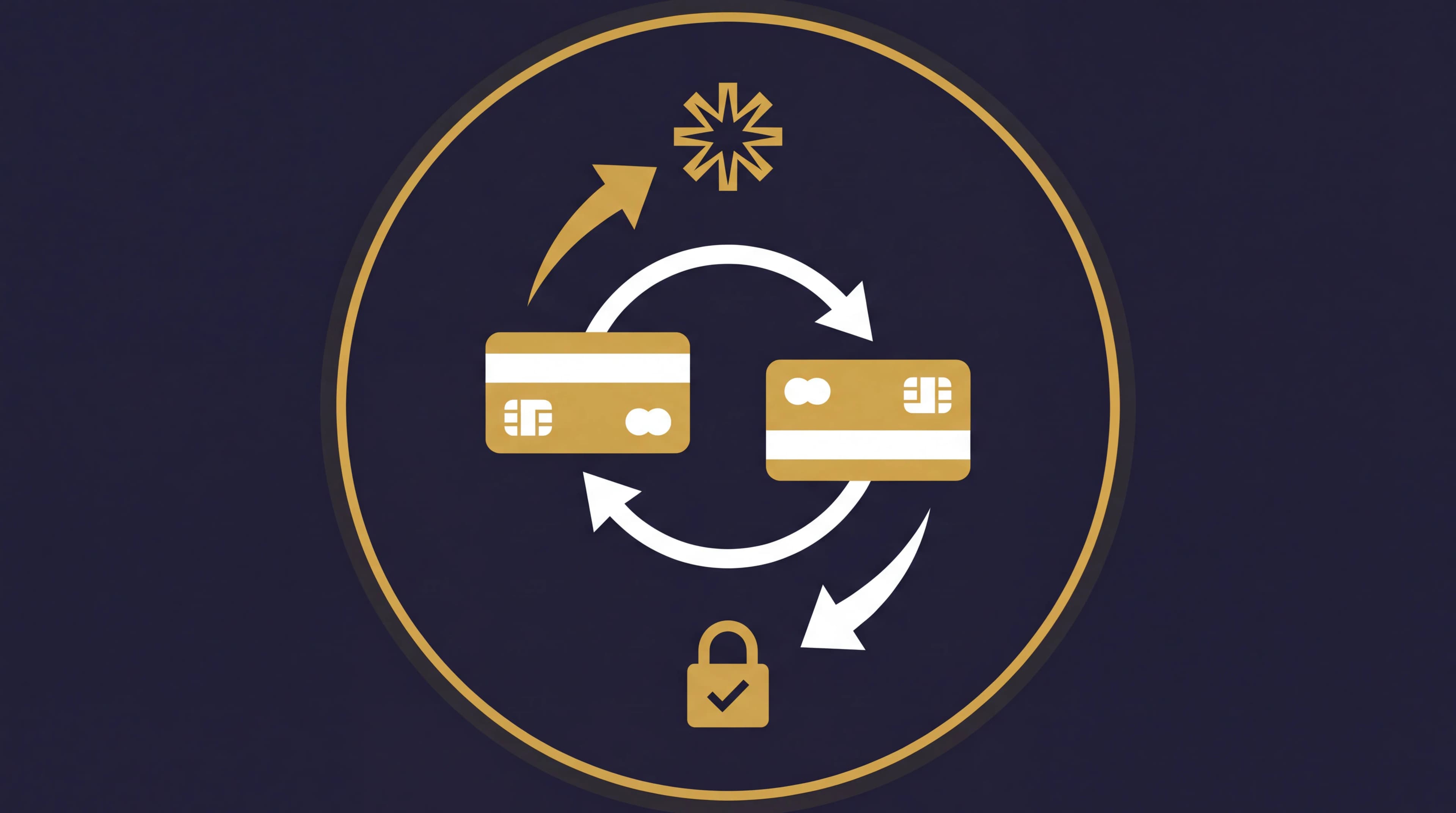
The Legal Credit Card Arbitrage Strategy Young Professionals Use
Most people think of credit cards as a slippery slope into debt. They are not entirely wrong. But a growing number of young professionals are treating credit cards differently. They use a method often called credit card arbitrage.
Credit card arbitrage — the practice of using sign-up bonuses, cash back, and rewards to generate profit while paying exactly zero dollars in interest. By capturing the spread between the rewards you earn and the interest you avoid, you can legally extract value from banks instead of paying them.
In traditional finance, arbitrage means buying an asset in one market and simultaneously selling it in another to profit from a price difference. In personal finance, it requires discipline, a clear understanding of your spending habits, and a strict refusal to pay banks for the privilege of using their money.
The Math Behind the Credit Card Arbitrage Strategy
The math behind credit card arbitrage relies on staying out of debt while maximizing bank incentives. According to the Federal Reserve ([2024]), 81% of U.S. adults had at least one credit card. That is over 216 million Americans incorporating credit into their daily lives. Yet, only 50% of consumers consistently pay off their balances monthly to avoid interest charges.
By the second quarter of 2025, American adults collectively carried more than $1.21 trillion in credit card debt. The average cardholder owes approximately $5,595. According to Bankrate ([2025]), 46% of cardholders carry a balance from month to month. With average interest rates hovering just below 20%, carrying a balance gets incredibly expensive very quickly.
The arbitrage strategy works because you stay out of that 46%. You become part of the group that extracts value from banks instead of paying them. According to LendingTree ([2024]), the average sign-up bonus on new cash back cards is $161.37, while points cards offer a median of 50,000 points.
The bottom line: If you use credit cards like a debit card, only spending money you already have in your checking account, those bonuses are pure profit.
Why Your Brain Wants You to Fail at Credit Card Rewards
Psychological traps built into plastic make it difficult for many to succeed at credit card arbitrage. Before you start opening new accounts, you need to understand these hidden behavioral triggers.
According to the Ipsos Consumer Tracker ([2024]), 70% of people with rewards cards prefer to use them specifically for the points. However, a concerning 35% admit they spend more money simply because of those incentives.
According to researchers at the MIT Sloan School of Management ([2021]), fMRI scans show exactly what happens in our brains when we use credit cards. They found that credit cards literally stimulate the reward networks in the brain. Instead of just reducing the pain of paying, credit cards act to step on the gas for your spending appetite. The study even noted that as we move toward a cashless society, simply holding a phone to tap and pay can trigger this desire to spend.
If you want to understand more about why we buy things we do not need, checking out our guide on the psychology of spending and why you're not bad with money can help you build better boundaries.
Here's what this means: The arbitrage strategy only works if your spending stays exactly the same as it would with cash.
The Two-Payment Method and the 30 Percent Myth
Mastering credit card arbitrage requires keeping your credit utilization exceptionally low, regardless of how many points you earn. You have probably heard that you should keep your credit card balance under 30% of your total limit to build a good credit score. Financial experts are now pointing out that 30% is a ceiling, not a target.
Credit utilization — the percentage of your total available credit that you are currently using. A recent analysis of credit utilization data revealed a stark contrast. Imagine two people with the same income and same on-time payment history. Both have $10,000 in total card limits. Person A reports a $2,900 balance, hitting 29% utilization. Person B reports a $400 balance, hitting 4% utilization. Both are under the 30% mark, but Person B will usually score much better. For the best credit scores, you want your utilization in the low single digits.
If you want a deeper dive into how these metrics work, read our breakdown of what your credit score actually means and how to improve it.
How do you keep utilization low if you put all your expenses on a card for rewards? You use the two-payment method.
Credit bureaus typically receive your balance information on your statement closing date. This date happens a few weeks before your actual payment is due. If you pay off most of your balance a day or two before the statement closes, the bank reports a tiny balance to the credit bureaus. Then you pay the remaining few dollars before the actual due date.
The bottom line: By paying twice a month, you earn all the points, pay zero interest, and keep your credit utilization near zero.
Building a Simple Credit Card Rotation
A successful credit card arbitrage strategy relies on a streamlined rotation of just a few targeted cards. According to Experian ([2023]), the average adult owns 7.1 credit cards but only actively uses about 3.7 of them. This makes perfect sense. You do not need a dozen cards to make this strategy work.
Start by looking at your last three months of spending. Find your biggest categories. For most young professionals, this means groceries, dining, and transit.
Pick one reliable base card that offers a flat 2% cash back on everything. Use this for random bills, medical co-pays, and odd purchases. Then, pick one or two category cards that offer 3% to 5% back on your biggest spending areas. For example, some cards offer 5% cash back on rotating quarterly categories like grocery stores or restaurants. Set a calendar reminder to activate these categories every three months.
Getting approved for new cards is getting slightly harder. According to the Federal Reserve Bank of New York ([2024]), reported rejection rates for credit card applications increased to 20.2%. Keep your credit profile protected by paying on time, every time.
If you find yourself overwhelmed by multiple balances and are already paying interest, stop the arbitrage game immediately. You might need to look into ways to consolidate credit card debt to save your score before focusing on rewards again.
Here's what this means: Keep your card rotation simple and only apply for new credit when your financial profile is strong.
Advanced Tactics for Credit Card Arbitrage
To truly maximize your returns without increasing your spending, you need to strategically navigate promotional offers and digital shopping tools.
Navigating Sign-Up Bonuses Safely
Sign-up bonuses are the most lucrative part of credit card arbitrage. Earning $150 to $200 in cash back just for opening an account and using it for normal expenses is a great return on your time.
However, these bonuses usually require you to spend a certain amount of money within the first three months.
Minimum spend requirement — the exact dollar amount you must charge to a new card within a specific timeframe to earn a promotional bonus. The trap is spending money you did not plan to spend just to hit this requirement.
To do this safely, time your new credit card applications around large, planned expenses. If you know you need to pay a six-month car insurance premium, buy a new laptop for work, or cover a large dental bill, open the card a week before that expense. You will hit the minimum spend requirement instantly without altering your normal budget.
Stacking Portals for Extra Cash
You can boost your returns without spending an extra dime by using online shopping portals. Programs like Rakuten allow you to click a link before shopping at your normal online retailers.
When you buy something through the portal using your rewards card, you earn points from the credit card company and cash back from the portal. It takes about five seconds and doubles your return on everyday purchases like household supplies or pet food.
Just be careful to read the fine print of your rewards programs. According to the Consumer Financial Protection Bureau ([2024]), credit card companies often bury vague conditions or devalue rewards after consumers earn them. Always redeem your points regularly. According to CreditCards.com ([2024]), 23% of cardholders let their rewards sit unused over the past year. Unused points lose value over time due to inflation.
The bottom line: Time your card applications with planned expenses and redeem your earned rewards frequently to maximize their value.
Keeping the Guardrails Up on Your Finances
Strict financial guardrails are essential to ensure your credit card arbitrage strategy remains profitable. According to Experian ([2025]), Gen Z currently holds an average credit card balance of $3,493, and 72% of Gen Z members carry that balance month-to-month.
To avoid becoming part of that statistic, treat your credit cards as a strategic tool rather than an emergency fund. Stefan Ross, vice president of credit cards program delivery at Fidelity, suggests looking at your entire financial picture. He advises that your total monthly debt payments, including student loans, car payments, and credit cards, should not exceed one-third of your income.
According to NerdWallet ([2025]), households with revolving credit card debt owed $11,149 on average as of December 2025. You do not want to end up in that position just because you were chasing a few points at the grocery store.
Set up automatic payments for the full statement balance on every card you own. This acts as a safety net so you never miss a due date. Even if you plan to use the two-payment method manually, having autopay turned on ensures you will never get hit with a late fee if life gets busy.
Here's what this means: Automating your payments and treating credit like a debit card are the ultimate safeguards against debt.
Common Questions About Credit Card Arbitrage
What is credit card arbitrage?
Credit card arbitrage is the financial strategy of earning sign-up bonuses and cash back rewards while paying zero interest. You achieve this by using credit cards for everyday purchases and paying the balance in full every month. This allows you to extract value from banks without incurring debt.
How does the two-payment method work?
The two-payment method involves paying off most of your credit card balance right before the statement closing date, then paying the remaining few dollars before the actual due date. This strategy keeps your reported credit utilization near zero. As a result, you earn maximum rewards while protecting your credit score.
Why do credit card companies offer sign-up bonuses?
Credit card companies offer sign-up bonuses as a marketing expense to acquire new customers in a highly competitive market. They rely on the fact that a large percentage of consumers will eventually carry a balance and pay high interest rates. By never carrying a balance, you profit from these bonuses without funding the bank's business model.
When should I apply for a new rewards credit card?
You should apply for a new rewards credit card about a week before you plan to make a large, necessary purchase. This timing ensures you can easily meet the minimum spend requirement for the sign-up bonus without buying things you don't need. Always ensure your credit score is in good standing before submitting an application.
Your One Next Step
Log into your primary credit card account today and locate your "statement closing date." Set a recurring monthly calendar reminder on your phone for two days before that date. When the reminder pops up, log in and pay your current balance down to zero. You will secure your rewards, protect your credit score, and never pay a cent in interest. Your Money. Your Terms.
Listen to this article
AI-generated audio · Voices by ElevenLabs
Get smarter about money
One practical tip per week. No spam, no hype — just clear steps toward financial progress.

Sammy Dynamo
Software Engineer | CS Student | Technopreneur, Dyxium Inc
Related Articles

11 min read
Mindful SpendingFinancial Doomscrolling: Protect Your Mind & Wallet
Struggling with financial doomscrolling? You aren’t alone. Discover why we obsess over money news and how...
Sammy Dynamo
10 min read
Mindful Spending2026 Car Tax Deduction: A Math Reality Check
Thinking of buying a car for the 2026 tax deduction? With average ownership costs hitting $12,297...
Sammy Dynamo
11 min read
Mindful SpendingCost of Raising a Child in 2026: A Financial Guide
The cost of raising a child in 2026 exceeds $303,000. Discover where the money goes and...
Sammy Dynamo