Married but Separate Finances: How to Manage Money Together
Married but Separate Finances: How to Manage Money Together
When you decide to share your life with someone, the traditional advice usually involves a trip to the bank. The old script says you sit down with a teller. You close your individual checking accounts and merge every dollar you own into a single joint account.
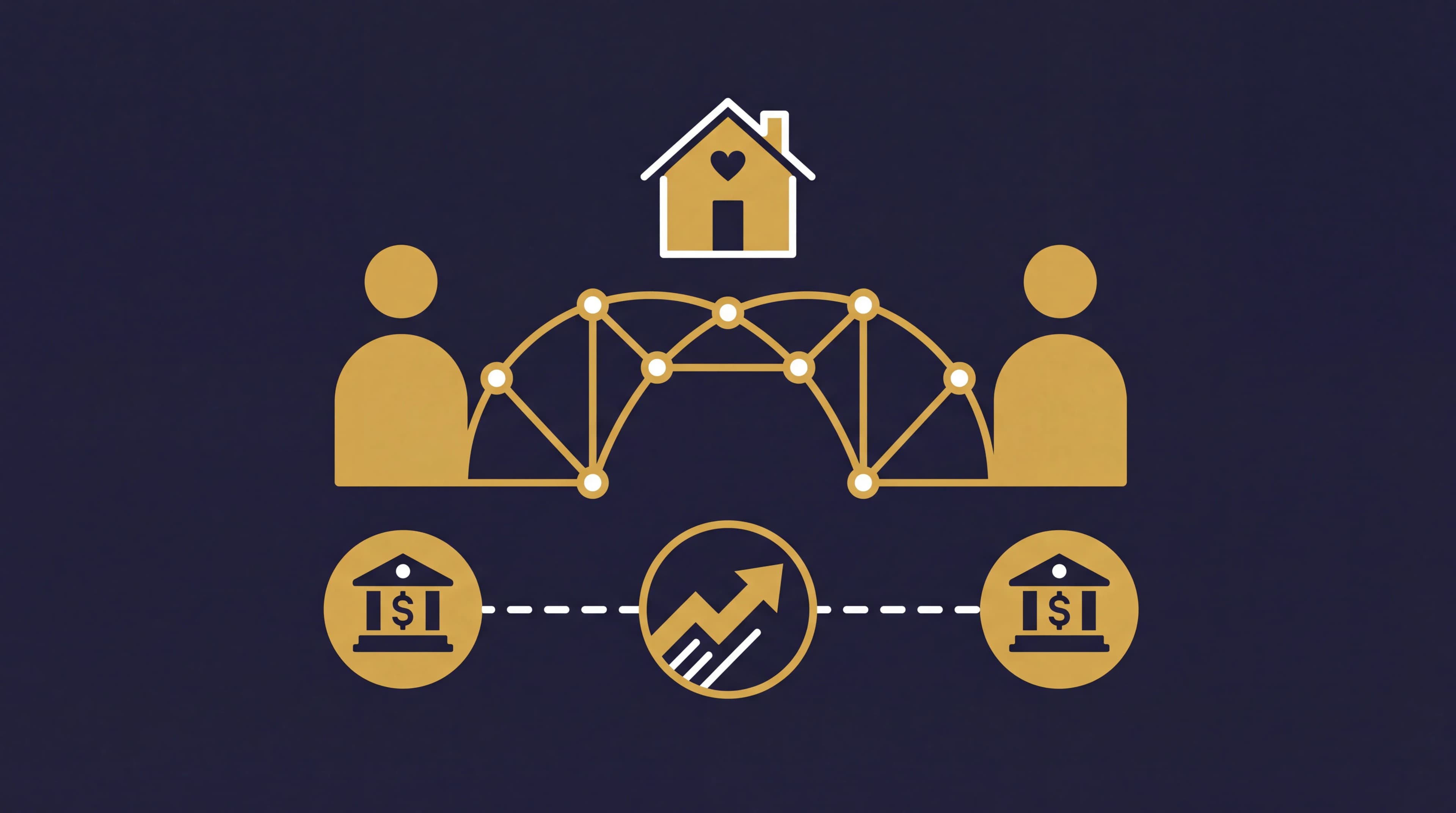
But can you build a shared financial life without sharing a bank account? Yes. Married but separate finances allow couples to manage household bills through a joint account while keeping individual checking accounts for personal spending.
For many young professionals and new earners, that old script feels outdated. You might come into a relationship with your own career trajectory. You have your own student loans and your own financial habits. The idea of pooling everything can feel unnecessarily complicated.
Keeping your money separate is no longer a relationship red flag. It is actually becoming the new normal. You can absolutely build a shared life, pay for a home, and plan for the future while maintaining your own bank accounts.
Keeping things separate requires a different kind of financial management. You do not see every transaction your partner makes. That means you have to replace that visibility with excellent communication. Here is what the data says about modern couples and their money. We will also cover practical ways to structure your finances so you both feel secure.
The New Normal of Relationship Money
The traditional model of completely merged finances is steadily declining as more couples choose to maintain individual bank accounts. If you and your partner prefer to keep your bank accounts separate, you are in good company. The way Americans manage household finances has shifted significantly over the last few decades.
According to the U.S. Census Bureau (2023), the share of married couples with no joint bank accounts rose from 15% in 1996 to 23%. This data comes from their Survey of Income and Program Participation (SIPP). This is a massive, nationally representative survey. It reflects a true shift in household behavior.
The SIPP data also shows that a majority of married couples (77%) still share at least one account. But the days of sharing absolutely everything are fading. In 1996, 53% of couples held all of their bank accounts jointly. By 2023, that figure dropped to just 40%.
Private surveys echo this trend. According to Bankrate (2024), 62% of people in committed relationships keep at least some financial accounts strictly in their own name. Only 38% of couples completely combine their finances.
This trend is especially strong among younger adults. The same Bankrate survey revealed that 51% of Gen Z couples (ages 18 to 29) keep their finances completely separate. That is a sharp contrast to older generations. Only 15% of baby boomers do the same.
The bottom line: Keeping your bank accounts separate is no longer a relationship red flag, but rather a growing trend among modern couples.
Why Separate Bank Accounts Make Sense Now
Maintaining individual bank accounts provides couples with financial autonomy and protects them from inheriting their partner's past financial mistakes. There are plenty of logical reasons why you might prefer to keep your own checking and savings accounts.
People are marrying later in life. This means they spend more years managing their own money and building credit. They get used to a certain level of financial autonomy. Financial autonomy — the ability to make independent money decisions without needing a partner's approval.
Protecting Yourself from Partner Debt
There is also the reality of debt. Financial literacy advocate Rayna McClane notes that when you combine finances, you are not just mixing your assets. You are also mixing your liabilities.
One partner might bring significant credit card debt or large student loans into the relationship. In this case, keeping accounts separate acts as a psychological and practical boundary. It allows the partner with the debt to take ownership of their repayment strategy. The other partner does not have to feel anxious every time they check the bank balance.
Separate accounts also eliminate the friction of daily spending choices. You might want to spend your own money on a hobby, specific groceries, or a spontaneous lunch with coworkers. You do not have to justify it. You just buy it. This independence can actually prevent arguments. You just need to agree on how the shared household bills get paid.
You might be managing your own money right now and want a better grip on your cash flow before mixing it with a partner. Taking the time to build your first budget in 30 minutes is a great starting point.
Here's what this means: Maintaining separate accounts protects both partners from pre-existing debt and eliminates daily arguments over personal spending choices.
The Hidden Risks of Separate Finances
While separate accounts offer independence, they also create an environment where financial secrecy and hidden debt can destroy a relationship. Financial independence is great, but keeping your money entirely separate carries distinct risks. The biggest danger is that separate accounts can easily become silos of secrecy.
When you do not share an account, it is very easy to hide financial trouble until it boils over. According to Debt.com (2025), 42% of divorced people reported that debt or financial difficulties played a role in their breakup. The findings are sobering.
Credit card debt is a particularly common culprit. The survey found that 37% of divorcees specifically attributed their split to credit card debt. That number was even higher for Gen Z respondents. Nearly two-thirds of them said credit card debt contributed to their divorce.
The Danger of Financial Infidelity
The problem usually stems from a lack of transparency. According to NerdWallet (2024), 43% of partnered Americans have withheld financial information or lied about it to their significant other. Nearly half of Americans believe it is acceptable to have savings their partner does not know about.
There is a fine line between privacy and secrecy. Privacy is having your own account for discretionary spending. You both agree that you do not need to check each other's receipts. Secrecy is opening a credit card your partner does not know about to fund a lifestyle you cannot afford.
Hiding money or debt can cause a lot of stress. Acknowledging and managing your financial anxiety is the first step toward opening up to your partner.
The bottom line: Separate bank accounts should provide personal privacy, not a hiding place for secret debt or financial infidelity.
The Yours, Mine, and Ours Budgeting Framework
The most successful couples use a hybrid banking approach to balance shared household responsibilities with personal financial freedom. You do not have to choose between keeping everything completely separate or merging every single penny.
The most effective strategy for many couples is a hybrid approach. This is often called "yours, mine, and ours." Hybrid banking — a financial setup where couples maintain individual accounts for personal spending alongside one joint checking account for shared expenses.
Under this framework, you maintain individual accounts for personal spending. You also open one joint checking account specifically for shared expenses.
Personal finance educator Ramit Sethi frequently advocates for this model. He suggests that the joint account should act as the central hub for the relationship. This is where you both contribute funds to pay for rent, utilities, shared groceries, and date nights.
Your individual accounts then become your "no questions asked" funds. You can spend that money completely guilt-free. You might want to buy expensive concert tickets while your partner buys video games. Neither of you has to ask for permission or feel judged.
Ted Rossman is a senior industry analyst at Bankrate. He points out that this approach requires a clear plan. You have to decide exactly how much each person contributes to the joint account.
Some couples split the shared bills 50/50. Others contribute proportionally based on their incomes. Let's say you make 60% of the total household income and your partner makes 40%. You would fund 60% of the joint account. There is no single correct mathematical formula. The right choice is whatever feels fair to both of you.
Here's what this means: A hybrid approach gives you the best of both worlds, ensuring household bills are covered while preserving your individual financial freedom.
Why You Still Need a Joint Account for Shared Bills
Using a joint account for household bills prevents couples from keeping score and fosters a sense of financial teamwork. If you are going to keep your money mostly separate, why bother with a joint account at all? Why not just use payment apps to split the rent every month?
Behavioral economics provides a compelling reason to use a joint account for shared expenses. Scott Rick is a researcher who studies consumer behavior. He explained in a Morningstar interview that joint accounts act as a sort of "money-laundering device" for couples.
You might just send each other money through an app for every shared expense. Doing this means you risk slipping into an exchange relationship. Exchange relationship — a dynamic where partners constantly keep score of who paid for what, often leading to resentment. You might start thinking about how you paid for dinner last night. Now you feel they owe you for the groceries today. Keeping score breeds resentment.
A joint account changes the psychology of household spending. It takes "your money" and "my money" and turns it into "our money." The electricity bill gets paid out of the joint account. Nobody feels like they are doing the other person a favor. It is simply the household taking care of its obligations.
This communal framing encourages cooperation. It makes it easier to tackle larger goals together, like saving for a down payment or planning a vacation. At the same time, it leaves your separate accounts intact for your daily personal choices.
The bottom line: Using a joint account for shared bills shifts your mindset from "my money" to "our money," fostering teamwork without sacrificing independence.
How to Communicate About Married but Separate Finances
Couples with separate bank accounts must schedule regular financial check-ins to ensure their individual goals align with their shared future. The great irony of keeping your finances separate is that it requires more communication.
You actually have to talk about money more often than couples who merge everything. When all the money sits in one pot, both partners can just log in and see the balance. When the money is split up, you have to use your words.
Unfortunately, we are not very good at this. According to NerdWallet and Zola (2024), 67% of engaged Americans find it difficult to have a serious financial conversation with their partner. The same survey showed 54% say they disagree with their partner on financial goals.
This friction often peaks during major life events. Juggling separate financial priorities while trying to fund a wedding is a massive source of stress. That is why setting boundaries around expensive weddings and trips can sometimes be the best financial boundary a couple can set.
Scheduling Regular Couple Summits
To make separate accounts work, you need a structured way to communicate. Financial planner Michelle Fait recommends that couples hold regular "couple summits."
These do not have to be tense or formal meetings. You can sit down once a quarter with some takeout and simply review where you both stand. You can check the balance of the joint account and discuss any upcoming large expenses. Then you can confirm that your individual debt repayment or savings goals are on track.
Fait also suggests framing these conversations around positive aspirations. Do not ask, "Why did you spend so much on your credit card?" Instead, try asking, "What are we building together this year, and how do our accounts support that?"
According to Northwestern Mutual (2024), 72% of Americans believe money conversations should happen well before marriage or moving in together. In fact, 35% of people say financial compatibility is even more important than physical or intellectual compatibility in a relationship.
Talking about money does not mean you have to agree on every single purchase. It just means you both understand the overall financial picture of the household. This is true even if the funds live in separate banks.
Here's what this means: Successfully managing separate accounts requires more proactive communication than merging your finances completely.
Common Questions
How do married couples split bills with separate bank accounts?
Married couples split bills with separate bank accounts by opening a single joint checking account specifically for shared household expenses. Each partner transfers a predetermined amount—either a 50/50 split or a percentage based on their income—into this central hub every month. This ensures the rent and utilities are paid while keeping personal spending money separate.
What happens if one spouse has debt and we keep finances separate?
Keeping finances separate creates a practical boundary when one spouse brings significant debt into the marriage. The partner with the debt takes full ownership of their repayment strategy from their individual account. This prevents the debt-free partner from feeling anxious about shared balances and protects their personal credit score.
Why is keeping separate bank accounts becoming more popular?
Keeping separate bank accounts is becoming more popular because people are marrying later in life after establishing their own financial habits. Modern couples value financial autonomy and want to avoid arguments over daily discretionary spending. It also provides a layer of protection and independence that many younger generations prioritize.
Your One Next Step
If you and your partner keep your accounts separate, your next step is to schedule a low-stakes money date. Pick a time this weekend and grab some coffee. Agree to share two numbers with each other. Share your total current savings and your total current debt. You do not need to merge your accounts or change your banking setup. You just need to ensure your separate accounts are built on a foundation of total honesty.
Your Money. Your Terms.
Listen to this article
AI-generated audio · Voices by ElevenLabs
Get smarter about money
One practical tip per week. No spam, no hype — just clear steps toward financial progress.

Sammy Dynamo
Software Engineer | CS Student | Technopreneur, Dyxium Inc
Related Articles
10 min read
BudgetingDynamic Budgeting: Adjusting When Rent and Gas Spike
Dynamic budgeting helps you adapt when rent and gas prices spike. Learn how to adjust your...
Sammy Dynamo
12 min read
BudgetingLease Renewal Math: Accept a Rent Hike or Move in 2026?
Facing a rent hike? Use this lease renewal math to decide if you should stay or...
Sammy Dynamo
10 min read
BudgetingRent is 40% of Your Income? How to Budget and Survive
When rent is 40% of your income, traditional financial advice fails. Learn how to adapt your...
Sammy Dynamo